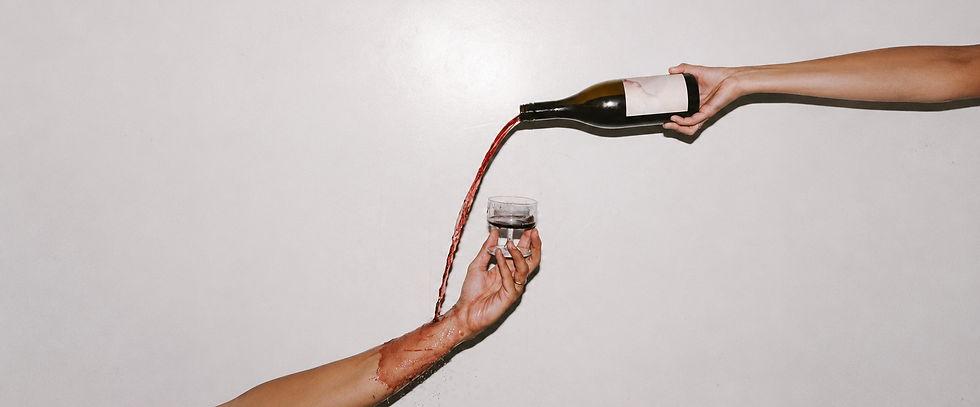
Histamine? (The Audacity)


In our last post, we covered why histamine intolerance and MCAS can cause symptoms that seem completely unrelated.
Your stomach hurts. Your face is flushed. Your nose is running. Your heart is racing.
Very organized. Very reasonable.
Now let’s talk about the chemical behind some of the chaos: histamine.
WHAT IS HISTAMINE?
Histamine is not inherently bad. Your body makes it for a reason.
It is a chemical messenger involved in immune response, digestion, brain function, and the sleep-wake cycle.
When your body senses a potential threat, mast cells can release histamine to help launch a protective response.
Useful? Absolutely.
Subtle? Not always.
Because histamine can affect the skin, gut, airways, blood vessels, and nervous system, too much histamine can feel like several unrelated problems happening at once.
SO WHERE DOES FOOD COME IN?
Histamine is also found in food.
It tends to build in foods that are aged, fermented, cured, processed, or stored for longer periods. That means some of the foods most likely to cause trouble are also the foods with excellent résumés.
Wine.
Cheese.
Charcuterie.
Fermented everything.
Unfortunately, the chic little European spread may also be a histamine convention.
COMMON HIGH-HISTAMINE FOODS
Food lists vary, and tolerance is highly individual, but common higher-histamine foods may include:
Alcohol
Wine
Champagne
Beer
Aged and fermented foods
Aged cheese
Sauerkraut
Kimchi
Miso
Tempeh
Soy sauce
Vinegar-heavy foods
Cured and processed meats
Salami
Pepperoni
Prosciutto
Ham
Bacon
Sausage
Certain fish and seafood
Tuna
Sardines
Mackerel
Herring
Smoked or canned fish
Other commonly reported triggers
Tomatoes
Eggplant
Spinach
Avocado
Chocolate
Certain nuts
Some very ripe fruits
Histamine content can vary depending on freshness, storage, preparation, and the specific product.
Translation:
The internet will tell you one blueberry is safe, dangerous, and emotionally unavailable depending on which list you open.
THE UNOFFICIAL RULES OF EATING WITH HISTAMINE ISSUES
Freshness matters
Fresh foods may be better tolerated than foods that are aged, fermented, cured, or sitting around for several days.
Cook fresh when possible.
Refrigerate leftovers promptly.
Freeze portions you will not eat soon.
Histamine does not disappear because you reheated the food and asked nicely.
Your personal tolerance matters more than a random list
Not everyone reacts to every high-histamine food.
One person may tolerate tomatoes but react strongly to wine.
Another may eat cheese comfortably but struggle with leftovers.
The goal is not to eliminate every food forever.
The goal is to understand your own patterns.
Portion size may matter
Some people can tolerate a small amount of a food but not a large amount.
One bite of aged cheese may be fine.
A cheese board, two glasses of wine, and a fermented appetizer may be your body’s version of receiving 47 emails marked urgent.
Alcohol can be a double agent
Some alcoholic drinks contain histamine, especially fermented drinks like wine and beer.
Alcohol may also make it harder for the body to manage histamine.
Rude, considering it was invited to help everyone relax.
Not every reaction is histamine
Food allergies, digestive conditions, medications, and other health issues can cause similar symptoms.
A food diary can help identify patterns, but it is not a diagnosis.
THE BOTTOM LINE
Histamine is a normal and necessary chemical.
Problems may happen when the body is exposed to more histamine than it can comfortably process or when mast cells release excessive chemical messengers.
Foods that are aged, fermented, cured, processed, or less fresh are often higher in histamine.
But tolerance can vary dramatically from person to person.
The goal is not to fear food.
It is to understand your patterns, learn what your body tolerates, and stop letting one chaotic cheese plate gaslight you.
NEXT UP:
Histamine stacking, otherwise known as why you can eat a food on Tuesday and feel personally betrayed by it on Saturday.


Comments